Table of Contents
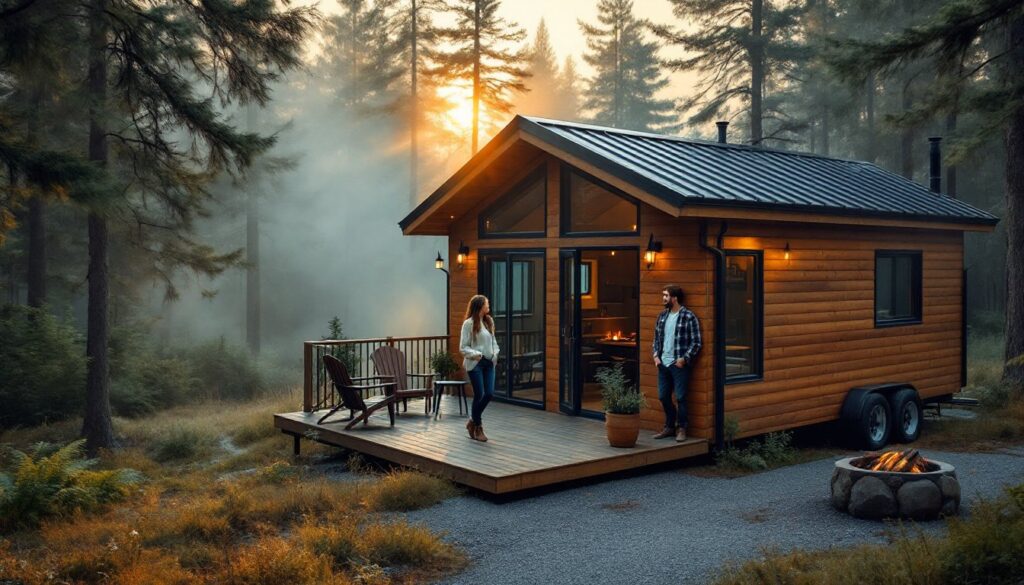
ToggleTiny house rentals have exploded in popularity, offering travelers a unique blend of minimalist living, privacy, and Instagram-worthy charm. Whether someone’s looking for a weekend escape an hour from home or a quirky alternative to cookie-cutter hotels, tiny houses deliver experiences that stick. They’re tucked into mountain forests, perched on lakefronts, and hidden in suburban backyards, often just a short drive away. Finding one nearby isn’t complicated, but knowing where to look and what to prioritize can make the difference between a cramped disappointment and a perfectly cozy retreat. Here you can find more useful information.
Key Takeaways
- Tiny house vacation rentals near you offer an affordable, private alternative to traditional hotels with nightly rates comparable to mid-tier accommodations but including full kitchens and outdoor spaces.
- Use location-based searches with property-type filters on platforms like Airbnb, Glamping Hub, and Tiny House Listings to find tiny house rentals within a 50- to 100-mile radius or up to three hours away from home.
- Prioritize verifying square footage (at least 120 sq ft for two guests), heating/cooling systems, bathroom and kitchen quality, and outdoor space before booking to ensure comfort and avoid cramped stays.
- Pack light, coordinate with hosts about parking and utilities, plan meals strategically around mini-fridge limitations, and embrace the minimalist experience to maximize your tiny house vacation.
- Prospective investors should research local zoning laws, budget $20,000–$150,000+ for construction or purchase, and focus on locations within two hours of major cities or near outdoor recreation for consistent bookings.
Why Tiny House Rentals Are the Hottest Travel Trend Right Now
Tiny house rentals hit a sweet spot between affordability, novelty, and genuine downtime. Unlike traditional vacation homes, they’re designed for efficiency, every square foot earns its keep. That means smart storage, multi-function furniture, and layouts that feel surprisingly spacious even though footprints between 100 and 400 square feet.
Travelers gravitate toward them for several practical reasons. First, they’re typically cheaper than full-size vacation homes, with nightly rates often comparable to mid-tier hotels but with full kitchens and private outdoor spaces. Second, they offer seclusion. Most tiny house rentals sit on rural or semi-rural lots, away from the noise and crowds of resort areas. Third, they appeal to eco-conscious guests, many are built with reclaimed materials, powered by solar panels, and equipped with composting toilets or greywater systems.
There’s also the novelty factor. Staying in a tiny house lets renters test-drive minimalist living without committing to a lifestyle overhaul. For homeowners considering downsizing or curious about alternative housing, a weekend rental serves as a low-risk trial run. Design enthusiasts appreciate the craftsmanship, too, custom cabinetry, fold-down tables, and lofted sleeping areas showcase creative problem-solving that’s hard to find in standard builds.
How to Search for Tiny House Vacation Rentals in Your Area
Finding a tiny house rental nearby starts with the right search strategy. Generic vacation rental platforms work, but filtering results takes finesse. The key is combining location-based searches with specific property type filters.
Start by opening a map view on rental platforms and zooming into a 50- to 100-mile radius from home. Many platforms allow users to filter by property type, select “tiny home,” “cabin,” or “unique stay” to narrow results. Reading descriptions carefully helps, too, since some hosts list tiny houses under “cottage” or “studio” categories.
For those willing to drive a bit farther, expanding the search radius often reveals hidden gems. Rural areas within a two- to three-hour drive frequently host clusters of tiny house rentals, especially near state parks, wineries, or tourist corridors. Searching by landmark or destination (e.g., “tiny house near Shenandoah”) can surface properties that generic city searches miss.
Don’t overlook smaller, niche platforms that specialize in unique accommodations. These sites curate listings specifically for travelers seeking non-traditional stays, making it easier to filter out standard apartments and condos.
Best Platforms and Websites for Booking Tiny House Stays
Airbnb remains the most comprehensive option, with thousands of tiny house listings worldwide. Use the “Unique Stays” category or type “tiny house” directly into the search bar, then apply location filters. The platform’s robust review system helps renters vet properties before booking.
Glamping Hub focuses on upscale, design-forward tiny houses and pods. Properties here tend to lean toward the luxe end of the spectrum, think hot tubs, full kitchens, and carefully styled interiors. It’s ideal for travelers prioritizing aesthetics and amenities over budget.
Tiny House Listings aggregates rentals from multiple sources, offering a one-stop directory. Listings range from bare-bones DIY builds to professionally designed units. The site’s search tools let users filter by region, price, and features like off-grid capabilities.
Getaway operates company-owned tiny house outposts within driving distance of major metro areas. Each cabin follows a minimalist design template with no TV, strong Wi-Fi, or distractions, perfect for digital detox weekends. Locations span the East Coast, Midwest, and Pacific Northwest.
VRBO and Booking.com also list tiny houses, though their search filters aren’t as refined. Users may need to manually sift through results or use keywords like “tiny home” or “micro cabin” to find suitable options.
What to Look for When Choosing Your Tiny House Rental
Not all tiny houses are created equal. Some are thoughtfully engineered marvels: others are cramped sheds with a mattress. Vetting a rental before booking saves disappointment and ensures the space meets practical needs.
Square footage and layout matter. A 120-square-foot house sleeps two comfortably, but anything smaller feels tight for more than a single night. Lofted beds with ladder access work for some guests and not for others, consider mobility and comfort before committing. Open floor plans with cathedral ceilings feel airier than boxy, low-ceiling designs.
Check the bathroom and kitchen setup. Composting toilets and outdoor showers are charming in theory but inconvenient in practice, especially in cold weather. Full bathrooms with flush toilets and hot water add comfort. Similarly, a two-burner cooktop and mini-fridge suffice for light meals, but renters planning to cook full dinners should confirm adequate counter space and cookware.
Heating and cooling systems can make or break a stay. Many tiny houses rely on mini-split heat pumps or propane heaters. Confirm the unit heats adequately in winter and cools in summer, reviews often reveal whether the system keeps up. Insulation quality varies widely: older or DIY-built units may struggle with temperature regulation.
Outdoor space extends the living area. A deck, fire pit, or screened porch effectively doubles usable square footage. Properties with hammocks, outdoor seating, or grills offer more value than those that end at the front door.
Proximity to utilities and services. Off-grid tiny houses deliver an authentic experience but require adapting to limited water, intermittent power, and sometimes spotty cell service. Renters who need reliable Wi-Fi or proximity to grocery stores should confirm these details upfront.
Top Amenities and Features in Tiny House Vacation Rentals
The best tiny house rentals pack surprising amenities into compact footprints. Knowing which features enhance comfort helps renters prioritize must-haves during the booking process.
Efficient kitchens with apartment-sized appliances, deep sinks, and fold-out counter extensions make meal prep manageable. Renters often list small space living ideas as inspiration for maximizing kitchen function without sacrificing elbow room.
Smart storage solutions, under-stair drawers, ceiling-mounted racks, and built-in cabinetry, keep belongings organized. Hooks, shelves, and Murphy beds that fold into walls free up floor space during the day.
High-quality mattresses matter more in tiny houses than in traditional rentals. Since sleeping lofts often have limited headroom, a comfortable mattress and good ventilation prevent restless nights. Some properties offer convertible sofas or fold-down beds for guests who prefer not to climb ladders.
Outdoor showers add a resort-like feel, especially in warm climates. Enclosed with privacy screens and equipped with hot water, they turn a basic amenity into a memorable feature.
Wood stoves or propane fireplaces provide ambiance and supplemental heat. They’re particularly appealing in mountain or forested settings. Renters should confirm whether firewood is provided or if they need to bring their own.
Solar panels and rainwater collection systems signal a commitment to sustainability. These features appeal to eco-conscious travelers and often pair with composting toilets and low-flow fixtures. Off-grid setups work well for guests comfortable with conservation practices.
Wi-Fi and USB charging ports strike a balance between disconnecting and staying functional. Most tiny house rentals offer at least basic connectivity, though speeds vary depending on location.
Planning Your Tiny House Vacation: Tips for First-Timers
First-time tiny house renters benefit from a bit of prep work. These spaces operate differently than traditional vacation homes, and knowing what to expect smooths the transition.
Pack light. Storage is limited, so bring only essentials. Soft-sided bags fit under beds or in cubbies more easily than hard-shell suitcases. Hanging organizers work well for toiletries and small items.
Coordinate with the host. Ask about parking, check-in procedures, and whether the property shares a lot with other structures. Some tiny houses sit on the same parcel as the owner’s primary residence, which may affect privacy expectations.
Plan meals ahead. Mini-fridges hold less than standard units, so grocery shopping requires strategic planning. Renters who rely on vacation rental home tips often prep meals in advance or plan for simple, one-pot dishes that don’t require extensive prep space.
Test amenities early. Upon arrival, locate the water shut-off, breaker panel, and heating controls. If something isn’t working, notifying the host immediately allows time to troubleshoot before the first night.
Respect off-grid systems. Composting toilets, greywater systems, and solar setups require mindful use. Conserve water, avoid flushing non-approved items, and limit electrical use during cloudy weather. Hosts typically provide instructions, but asking questions upfront prevents mishaps.
Embrace the minimalist mindset. Tiny houses force renters to slow down and simplify. Instead of hauling gear for every possible activity, focus on a few key experiences, hiking, reading, stargazing. The space encourages presence over distraction.
Considering Investing in a Tiny House Rental Property?
Homeowners intrigued by the rental market may see tiny houses as a low-barrier entry point. They’re cheaper to build or buy than full-size vacation homes, and demand remains strong in scenic or tourist-heavy areas.
Zoning and permits come first. Not all jurisdictions allow tiny houses as rental properties. Some classify them as RVs, requiring RV park permits, while others treat them as accessory dwelling units (ADUs) with stricter building codes. Researching local regulations before purchasing or building prevents costly legal issues.
Construction costs vary widely. DIY builds using reclaimed materials can run $20,000 to $40,000, while professionally built, fully outfitted units range from $60,000 to $150,000. Factoring in site prep, utility hookups, and furnishings raises the total. Owners should budget for septic or composting systems, water access, and electrical service if building on raw land.
Location drives occupancy. Tiny houses within two hours of major metro areas or near popular outdoor recreation spots book most consistently. Properties marketed toward digital nomads, couples, or solo travelers tend to perform better than those aimed at families, since space limitations naturally cap guest counts.
Design details influence reviews. Guests expect modern architecture principles, clean lines, natural light, and thoughtful material choices. Skimping on insulation, using cheap finishes, or neglecting outdoor spaces results in lower ratings. Investing in quality craftsmanship pays off through repeat bookings and premium nightly rates.
Maintenance and turnover require attention. Small spaces show wear quickly. High-traffic areas like floors, counters, and bathroom fixtures need durable materials. Owners managing properties remotely should hire reliable cleaners and handymen to handle turnovers and minor repairs.
Marketing hinges on photography and storytelling. Professional photos showcasing the interior, outdoor spaces, and surrounding landscape are non-negotiable. Listings that tell a story, highlighting unique features, nearby attractions, and the builder’s vision, outperform generic descriptions. Many successful hosts borrow tactics from budget home renovation stories to craft compelling narratives around their builds.
For those willing to navigate the learning curve, tiny house rentals offer a creative way to generate income while contributing to the growing demand for alternative accommodations. Following vacation home rental strategies and staying informed about market trends helps new hosts avoid common pitfalls and build sustainable rental businesses.