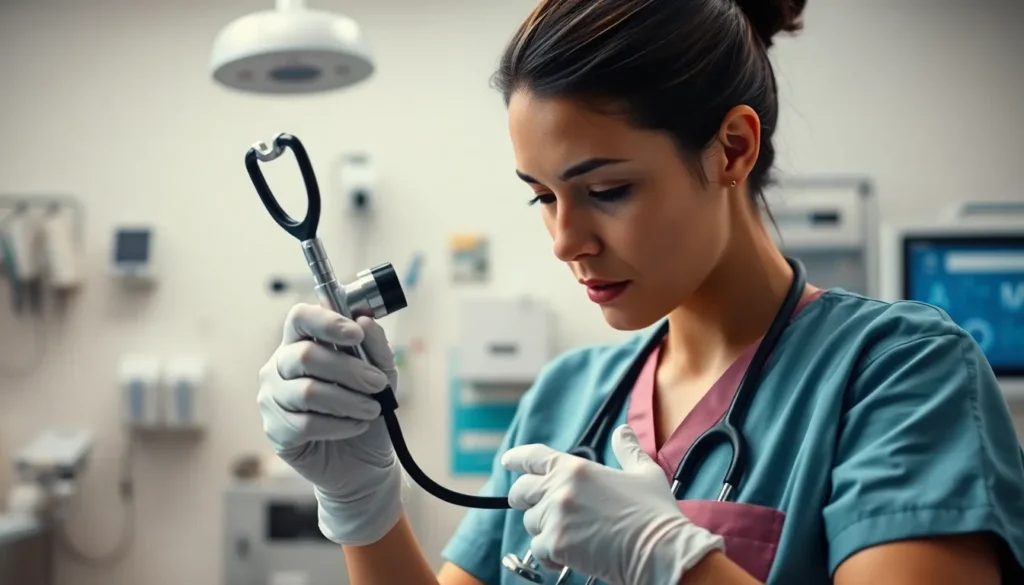
Undergoing a hysteroscopy can feel like a walk in the park—if that park is filled with medical instruments and a team of professionals ready to poke around. While most patients emerge unscathed, there’s a sneaky little gremlin called infection that might decide to crash the party. Knowing the signs of infection after this procedure is crucial, because nobody wants an unwanted guest ruining their recovery.
Overview of Hysteroscopy
Hysteroscopy is a minimally invasive procedure that allows direct visualization of the uterine cavity. Healthcare providers utilize a hysteroscope, a thin tube with a camera, to examine the inside of the uterus. The procedure can diagnose various conditions, including uterine fibroids and polyps.
During the process, patients typically receive local anesthesia to minimize discomfort. The provider inserts the hysteroscope through the cervix into the uterus. Alternatively, some patients may undergo the procedure under general anesthesia, depending on their specific situation.
Hysteroscopy can also be therapeutic. In certain cases, providers can remove abnormal growths during the same session, enhancing recovery outcomes. The procedure usually lasts between 15 and 30 minutes, allowing for efficient management of uterine issues.
Post-procedure, patients can often resume normal activities within a couple of days. While most individuals experience a smooth recovery, vigilance for potential complications is crucial. Identifying signs of infection after hysteroscopy is vital to prevent further health concerns. Symptoms may include fever, unusual discharge, and abdominal pain.
Monitoring recovery closely can ensure timely intervention if any issues arise. Regular follow-up appointments with healthcare providers can facilitate a smooth healing process and address any questions patients may have post-procedure. Being aware of these aspects contributes to a proactive approach to uterine health management.
Common Signs of Infection After Hysteroscopy

Monitoring for signs of infection after hysteroscopy is essential for effective recovery. Identifying symptoms early can prevent complications.
Fever and Chills
Fever often indicates an infection, typically defined as a body temperature above 100.4°F (38°C). Chills may accompany a fever, signaling that the body is responding to an infection. If a patient experiences elevated temperature combined with chills, it’s crucial to contact a healthcare provider immediately. The presence of fever often requires further evaluation to rule out potential complications from the procedure. Early detection can enhance recovery outcomes.
Abnormal Vaginal Discharge
Abnormal vaginal discharge can manifest in different ways. Patients may notice changes in color, consistency, or odor. Discharge that appears yellow, green, or has a foul smell often indicates an infection. If discharge is accompanied by itching or irritation, medical attention is advisable, as these symptoms can suggest bacterial or yeast infections. Patients should report any significant changes to their healthcare provider for assessment.
Pelvic Pain and Discomfort
Pelvic pain is another common symptom that can arise after hysteroscopy. Discomfort may feel sharp or cramping, signaling possible infection. Pain that intensifies or persists beyond the expected post-procedure recovery period raises concern. It’s vital for individuals experiencing severe or worsening pelvic pain to seek medical evaluation to assess underlying causes. Prompt attention can be essential in managing any complications effectively.
Risk Factors for Infection
Identifying risk factors for infection after hysteroscopy helps in managing potential complications. Awareness of underlying health conditions and surgical complications contributes significantly to overall patient care.
Underlying Health Conditions
Patients with chronic illnesses face a higher risk of infection following hysteroscopy. Conditions such as diabetes can impair the immune response, making infections more likely. Autoimmune diseases also weaken defense mechanisms, increasing susceptibility to infections. Other factors include obesity, which can complicate recovery and promote infections. Patients with previous pelvic infections may have a greater chance of complications. Effective management of these conditions leads to improved outcomes during the recovery process.
Surgical Complications
Certain surgical complications elevate the risk of infection. Incomplete removal of tissue or the presence of foreign bodies can lead to inflammation and infection. Bleeding during or after the procedure may create an environment for bacterial growth. Additionally, a perforated uterus can expose internal organs to pathogens, significantly increasing infection risk. Healthcare providers must monitor for these complications closely to ensure prompt interventions. Addressing any surgical issues quickly helps reduce the likelihood of infection after hysteroscopy.
Diagnosis of Post-Hysteroscopy Infection
Recognizing signs of infection after hysteroscopy requires a comprehensive approach. Healthcare providers rely on various assessments to ensure accurate diagnosis.
Clinical Evaluation
Initial clinical evaluations involve thorough medical history reviews. Assessing symptoms such as fever, chills, or abnormal discharge provides essential clues. A physical examination often includes checks for tenderness or pain in the pelvic region. Symptoms like these raise concern for infection and warrant prompt attention. Providers frequently ask patients about their recovery experience and any changes in their condition. Effective communication allows for a better understanding of potential complications emerging post-procedure.
Laboratory Tests
Laboratory tests significantly contribute to the diagnosis of post-hysteroscopy infections. Blood tests, including complete blood counts, can identify signs of infection, such as elevated white blood cell counts. Urinalysis might also be conducted to rule out urinary tract infections. Providers sometimes collect vaginal swabs for culture and sensitivity testing to pinpoint specific pathogens. These tests guide treatment options based on identified infections and reduce the likelihood of complications. Close collaboration between healthcare providers and patients streamlines the diagnostic process and enhances recovery outcomes.
Treatment Options
Addressing infection signs after hysteroscopy requires prompt intervention. The right treatment options ensure a swift recovery.
Antibiotic Therapy
Antibiotic therapy serves as a primary treatment option for infections following hysteroscopy. Healthcare providers typically prescribe broad-spectrum antibiotics to combat potential bacteria. Medications like ampicillin or clindamycin may be used, depending on the infection’s severity. The duration of treatment usually lasts from 7 to 14 days. Adhering to the prescribed regimen is essential for effective infection management. Additionally, monitoring for any adverse reactions to antibiotics is crucial. Patients often experience symptom relief within a few days of starting therapy.
Follow-Up Care
Follow-up care plays a vital role in the recovery process after hysteroscopy. Patients should schedule a follow-up appointment within one to two weeks post-procedure. During these visits, healthcare providers assess recovery progress and identify any lingering symptoms. Regular monitoring helps address any complications early, which improves outcomes. Patients may receive guidance on managing symptoms at home. Open communication with healthcare providers ensures that any concerns about recovery are promptly addressed. Keeping an eye on signs of infection during this period is important for maintaining overall health.
Recognizing the signs of infection after hysteroscopy is vital for ensuring a smooth recovery. Patients should remain vigilant for symptoms such as fever unusual discharge and persistent pelvic pain. Early detection and prompt medical attention can significantly reduce the risk of complications.
Following the procedure it’s essential to maintain open communication with healthcare providers. Regular follow-up appointments play a crucial role in monitoring recovery and addressing any concerns. By staying informed and proactive patients can enhance their recovery experience and support their overall uterine health.