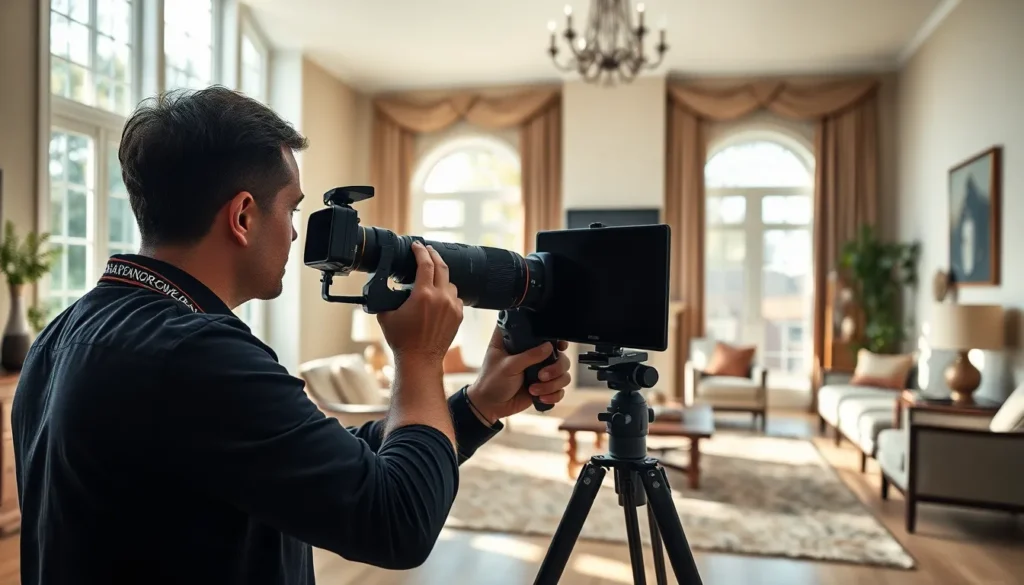
In the competitive world of real estate, a picture is worth more than a thousand words—it’s worth thousands of dollars. Real estate photography isn’t just about snapping a few pretty pictures; it’s about capturing the essence of a property and making it irresistible to potential buyers. With the right angles and lighting, a skilled photographer can turn a modest listing into a dream home in the eyes of buyers.
Imagine scrolling through listings and seeing a property that looks like it belongs in a magazine. Suddenly, that cozy little bungalow becomes the hottest ticket in town. Good real estate photography can create that magic, transforming ordinary spaces into extraordinary experiences. So, whether you’re a seller wanting to stand out or an agent looking to boost your portfolio, investing in professional photography is a no-brainer. After all, who wouldn’t want their listing to shine brighter than a freshly polished kitchen countertop?
What Is Real Estate Photography?
Real estate photography involves capturing images of properties for marketing purposes. This specialized photography serves to showcase residential and commercial properties effectively. Professional photographers use specific techniques to highlight a property’s best features, creating compelling visual narratives.
High-resolution images allow potential buyers to explore a property remotely. Skilled photographers understand composition, lighting, and angles, ensuring each shot portrays the space accurately. They often use wide-angle lenses to create a sense of openness and help viewers imagine themselves in the respective environments.
A crucial aspect of real estate photography includes staging properties. Clean and organized spaces enhance visual appeal, making spaces seem inviting. Additionally, interior photos focus on showcasing key rooms such as living areas, kitchens, and bedrooms, while exterior shots emphasize curb appeal.
High-quality images can increase listing visibility online. Research indicates that listings with professional photographs receive 61% more views than those with amateur images. All these elements contribute to an engaging presentation that speaks to potential buyers.
Understanding the target demographic also influences photography styles. Properties aimed at families may require a different approach than luxury listings. Marketers often recognize that emotional connections drive purchasing decisions, so visuals should evoke desired feelings.
Including drone photography can provide unique perspectives and showcase expansive properties or locations. Effective real estate photography is essential for both sellers and agents, making it a vital component of successful marketing strategies.
Importance Of Real Estate Photography
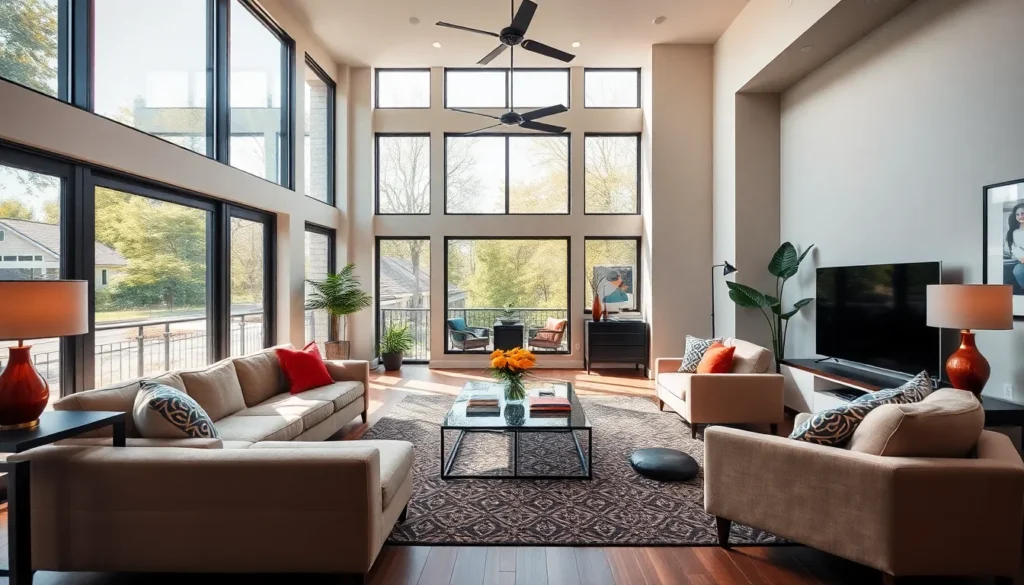
Real estate photography plays a pivotal role in marketing properties. High-quality images capture attention and convey the unique aspects of each space.
Enhancing Property Appeal
Professional photography highlights a property’s strengths. Clear, well-composed images can transform a listing into a visual narrative that resonates with viewers. Utilizing techniques like appropriate lighting and wide-angle lenses enhances rooms’ depth and size. Staged spaces further elevate visual appeal, making them inviting and desirable. Properties portrayed through compelling visuals evoke emotions that drive interest, significantly increasing engagement.
Attracting Potential Buyers
Listings featuring professional photographs attract more potential buyers. Properties with high-quality images receive up to 90% more views compared to those with amateur photography. Additionally, engaging visuals create a sense of urgency, prompting buyers to schedule viewings quickly. Drone photography provides unique insights into larger properties, showcasing their surroundings effectively. Emotional connections forged through captivating visuals lead to quicker buying decisions, benefiting both sellers and agents.
Key Techniques In Real Estate Photography
Proper lighting is crucial for real estate photography. Natural light creates inviting and warm spaces, enhancing overall appeal. Soft, diffused light minimizes harsh shadows, while golden hour photography accentuates outdoor spaces and landscapes. Interior shots benefit from turning on lights to create a cozy and well-lit environment. Photographers often employ tools like reflectors to bounce light strategically, ensuring each angle captures a property’s best features.
Composition tips improve visual storytelling. Centering key elements within the frame draws attention to important details, creating a balanced look. Utilizing the rule of thirds helps create dynamic images, allowing viewers to engage more fully. Wide-angle lenses capture expansive views, making spaces appear larger than they are. Including foreground elements, such as plants or furniture, adds depth and context, enhancing overall interest.
Post-processing techniques elevate final images. Adjusting brightness and contrast highlights a property’s characteristics, enhancing visual appeal. Color correction ensures images reflect the true hues of a space, maintaining authenticity. Photographers use cropping techniques for better framing, focusing on the most appealing aspects. Adding subtle sharpening can enhance fine details, making every shot pop when displayed online.
Equipment Recommended For Real Estate Photography
Using the right equipment proves essential for capturing stunning real estate images. Each tool plays a vital role in producing high-quality visuals.
Cameras And Lenses
DSLRs and mirrorless cameras offer superior image quality for real estate photography. Canon and Nikon models consistently deliver exceptional performance, while Sony’s a7 series is gaining popularity for its dynamic range. Wide-angle lenses, like a 16-35mm, capture expansive interiors, making rooms feel larger. A prime lens, such as a 24mm, excels in low light, providing sharp images even in challenging conditions. Both types of lenses help showcase property features effectively. Understanding how to utilize camera settings, such as aperture and shutter speed, enhances image clarity and depth, contributing to the overall visual appeal.
Tripods And Stabilizers
Tripods are indispensable for capturing stable, clear images, especially in low light conditions. A sturdy tripod ensures straight lines and prevents blurry photos, which is crucial for architectural shots. Stabilizers, including gimbals, aid in creating smooth video tours, enhancing viewer engagement with dynamic visuals. The Manfrotto and Gitzo tripods maintain stability and ease of use, perfect for real estate photographers. Adding a remote shutter release minimizes camera shake when capturing images, further improving image quality. Investing in these accessories enhances the professionalism of the photography portfolio.
Real estate photography is an invaluable asset in today’s competitive market. By investing in professional images, sellers and agents can significantly enhance property appeal and attract more potential buyers. The combination of expert techniques and quality equipment ensures that each listing captures the essence of a property, making it memorable.
As the demand for visually engaging content continues to rise, embracing high-quality photography is essential for successful marketing. Properties showcased with stunning visuals not only stand out but also create emotional connections that drive quicker sales. In the realm of real estate, compelling imagery isn’t just an option; it’s a necessity for success.