Table of Contents
ToggleMotorcycling (μοτοκονηση) offers fast, low-cost travel in Greek cities and islands. The rider saves time and fuel. The rider finds parking easier. This guide explains why μοτοκονηση grows, how to pick a bike, what gear to use, key road skills, and legal and maintenance steps for 2026.
Key Takeaways
- Motorcycling (μοτοκονηση) offers a fast, flexible, and cost-effective way to navigate Greek cities by reducing commute times and easing parking challenges.
- Choosing the right motorcycle depends on daily routes, load needs, and rider skill, with scooters ideal for short urban trips and larger bikes suited for highways.
- Wearing certified helmets, armored jackets, gloves, and reflective gear enhances safety while regular training and defensive riding reduce accident risks.
- Mastering road scanning, lane positioning, and proper braking techniques are essential skills for safe μοτοκονηση in urban environments.
- Complying with legal requirements like valid licenses, registration, and insurance is critical, alongside regular motorcycle maintenance to prevent breakdowns.
- Following a routine maintenance schedule weekly, monthly, and annually ensures reliability, safety, and long-term cost savings for μοτοκονηση riders.
Why Motorcycling Is Growing: Benefits And Real-World Use Cases
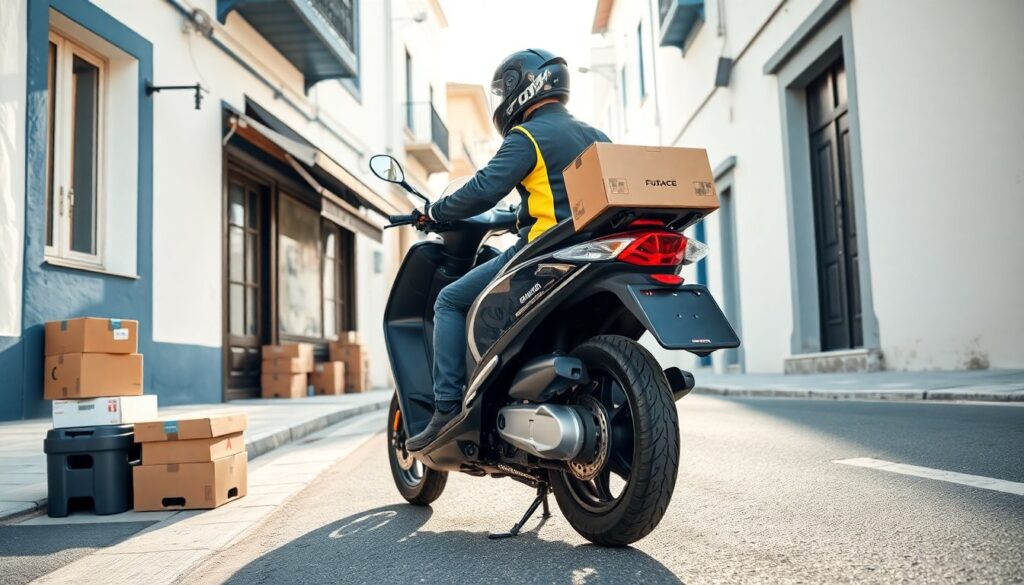
Cities in Greece face traffic and limited parking. Motorcycling (μοτοκονηση) reduces commute time and fuel costs. Many riders choose scooters for short trips and light cargo. Commuters use motorcycles to reach transit hubs and business districts faster. Delivery riders rely on μοτοκονηση for quick service in dense neighborhoods. Tourists rent motorcycles to visit islands where roads are narrow. Small businesses adopt μοτοκονηση to cut delivery overhead. For many, the main benefit is flexibility: a rider can leave later, park closer, and move faster during rush hour.
How To Choose The Right Motorcycle For Your Needs
The buyer should list daily routes, load needs, and rider skill. For short urban trips, a 125cc scooter often fits. For longer commutes or highways, a 300–650cc bike suits better. The buyer should consider fuel economy, service network, and insurance cost. New riders may prefer automatic scooters for ease. Experienced riders may pick a manual bike for control. The buyer should test ride at least two models. The buyer should check seat height and weight to confirm balance. In Greece, local dealer support matters for parts and quick repairs related to μοτοκονηση.
Essential Riding Gear And Safety Best Practices
The rider must wear a certified helmet that fits snugly. The rider should use a jacket with CE-rated armor and gloves with good grip. The rider should wear boots that protect ankles and have non-slip soles. The rider must use reflective elements at night. The rider should keep a basic first-aid kit and tool kit on board. The rider must check tire pressure and tread before each ride. The rider should assume other drivers may not see them and ride defensively. Training and practice improve safety more than any single gear item for μοτοκονηση.
Road Skills And Urban Riding Techniques For Everyday Commutes
The rider should scan the road and plan a path two to three vehicles ahead. The rider keeps a safe following gap and avoids blind spots. The rider should use lane position to increase visibility and reduce hazards. The rider must brake progressively and use both brakes together. The rider should modulate speed before corners and watch for gravel or wet surfaces. The rider must signal early and confirm the lane is clear before changing direction. The rider should practice slow-speed maneuvers in a quiet lot to improve balance. These skills reduce the common risks of μοτοκονηση in city traffic.
Legal Requirements, Registration, And Routine Maintenance
The rider must carry a valid driving license for the bike class. The owner must register the motorcycle and display plates as law requires. The rider must keep insurance that covers third-party liability. The owner should follow inspection schedules where they apply. The rider should keep maintenance records and service receipts. The owner must renew registration and insurance on time to avoid fines. The rider should check local municipality rules for low-emission zones and parking permits. Regular care prevents breakdowns and lowers long-term cost for μοτοκονηση.
Routine Maintenance Checklist: What To Do Weekly, Monthly, And Annually
Weekly: The rider checks tire pressure and visible damage. The rider checks lights, horn, and mirrors. The rider inspects oil level and coolant level on liquid-cooled bikes. Monthly: The owner checks chain tension and lubrication or belt condition. The owner inspects brake pads for wear and cleans air filter if dusty. The owner verifies battery terminals and charge state. The owner checks fasteners and mounts for looseness. Annually: The owner changes engine oil and filter if due. The owner replaces spark plugs and inspects valves where service manual recommends. The owner performs brake fluid change and coolant service as specified. The owner schedules a full dealer service for safety-critical checks. The owner keeps all service records to support resale and legal needs for μοτοκονηση.