Investing in historic properties offers a unique blend of charm and potential. These buildings tell stories of the past while presenting modern investors with opportunities for growth and appreciation. With their rich history and architectural significance, historic properties can attract a niche market of buyers and renters who appreciate the allure of vintage homes.
As urban areas evolve, the demand for distinctive real estate continues to rise. Investors who recognize the value of historic properties not only contribute to preserving cultural heritage but also stand to benefit from various incentives, including tax breaks and grants. Understanding the nuances of this investment landscape can lead to rewarding financial outcomes while fostering a deeper connection to the community’s history.
Understanding Historic Property Investment
Historic property investment focuses on acquiring, restoring, and managing properties with historical significance. This investment strategy plays a crucial role in preserving culture and community heritage.
Definition and Importance
Historic properties are structures designated for their architectural or historical value. They often attract investors interested in preserving cultural heritage while benefiting from unique investment opportunities. Recognizing historic significance connects investors to local history, fostering community pride. Understanding these properties aids in maximizing both financial returns and social impact.
Benefits of Investing in Historic Properties
- Financial Incentives: Investors often access tax credits and grants that help offset renovation costs. Programs like the Federal Historic Preservation Tax Incentives Program can significantly reduce financial burdens.
- Market Demand: The appeal of unique, character-rich homes attracts buyers and renters seeking authentic living experiences. This niche market tends to appreciate over time.
- Cultural Preservation: Investing in historic properties contributes to maintaining local culture and history. Renovations can revitalize neighborhoods, enhancing community identity.
- Aesthetic Appeal: Historic properties offer distinctive architectural elements not found in modern developments, making them visually appealing and valuable.
- Potential for Growth: Regeneration of urban areas often leads to increased property values. Historic districts attract tourism, further stimulating local economies.
Each of these benefits adds compelling reasons for considering historic properties as viable investments.
Key Factors to Consider
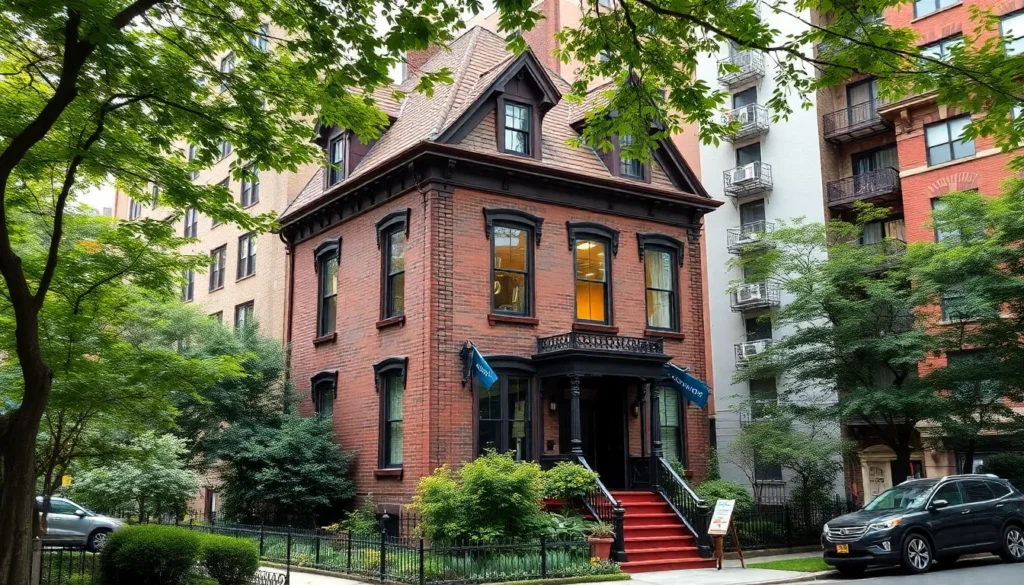
Investment in historic properties requires careful evaluation of several critical factors for optimal success. Attention to location, market trends, property condition, and preservation laws ensures informed decision-making in the unique landscape of historic real estate.
Location and Market Trends
Location significantly impacts the value and potential of historic properties. Properties situated in urban centers or areas with rich cultural heritage attract higher demand from buyers and renters. Market trends indicate a growing preference for unique, character-filled homes, particularly in metropolitan regions. Historical neighborhoods frequently exhibit price stability and appreciation, appealing to investors seeking long-term gains. Analyzing local demographics, economic conditions, and development plans also aids in assessing future growth potential.
Property Condition and Preservation Laws
Assessing the property condition is essential in historical real estate investments. Many historic properties may require extensive restoration and maintenance efforts. Investors must conduct thorough inspections to identify necessary repairs, structural issues, or upgrades to meet modern standards. Furthermore, understanding preservation laws is crucial. Many historic properties fall under specific regulations that protect their architectural integrity. Familiarity with local, state, and federal guidelines ensures compliance while navigating necessary renovations, enabling investors to avoid legal complications and potential fines.
Financing Options for Historic Properties
Investing in historic properties requires understanding various financing options. These options often cater to the unique needs associated with restoring and maintaining significant structures.
Traditional Loans vs. Specialized Financing
Traditional loans from banks and credit unions offer financing for historic property acquisitions. These loans typically require a down payment ranging from 5% to 20% and involve standard interest rates based on market conditions.
Specialized financing, such as loans from the Historic Preservation Fund or community development financial institutions, specifically addresses the needs of historic properties. These options often feature lower interest rates, flexible repayment terms, and less stringent credit requirements. Some programs include:
- FHA 203(k) Loans: Allow for property purchase as well as renovation costs rolled into one loan.
- USDA Rural Development Loans: Offer favorable terms for properties in designated rural areas, including historic buildings.
- State-specific programs: Many states provide funding programs specifically designed for restoration and rehabilitation of historic structures.
Tax Incentives and Grants
Investors also benefit from various tax incentives and grants aimed at encouraging the preservation of historic properties. These incentives can significantly reduce the financial burden of restoration projects. Key options include:
- Federal Historic Preservation Tax Incentives: Allow for a 20% tax credit for the rehabilitation of income-producing historic buildings, encouraging qualified rehabilitation expenditures.
- State Tax Credits: Many states offer tax credit programs that complement federal incentives, enhancing recovery of restoration costs.
- Local Grants: Municipal and county governments often provide grants for facade improvements and restorations, helping to fund specific projects.
Utilizing these tax incentives and grants can enhance the financial feasibility of investing in historic properties, making it appealing for investors focused on both profit and cultural preservation.
Challenges in Historic Property Investment
Investors encounter various challenges when investing in historic properties. Understanding these obstacles is essential for successful management and restoration of these unique structures.
Restoration and Renovation Issues
Restoration and renovation present significant challenges for historic property investors. Many historic properties often require extensive repairs due to age and deterioration, causing higher costs and longer timelines. Structural integrity, outdated electrical systems, and plumbing issues are common problems faced.
Investors must also select appropriate materials and techniques that align with the original architecture to maintain historical accuracy during renovations. Adhering to preservation standards not only influences construction processes but also impacts budget estimates and completion dates. In some cases, investors may face difficulties finding skilled contractors familiar with historic restoration requirements, further complicating renovation efforts.
Regulatory Restrictions
Regulatory restrictions play a crucial role in historic property investment. Local, state, and federal regulations often impose limitations on modifications and developments to preserve historical integrity. These restrictions can include specific guidelines for renovations, restrictions on demolitions, and requirements for maintaining the property’s original character.
Additionally, properties listed on the National Register of Historic Places may be eligible for grant funding or tax credits, but compliance with preservation laws becomes mandatory. Failure to adhere to these regulations can result in fines, loss of funding, or even legal disputes, making it essential for investors to thoroughly understand and navigate the complex regulatory landscape before proceeding with any investment.
Success Stories in Historic Property Investment
Successful historic property investments showcase profitable decisions and positive community impacts. Investors can draw inspiration from these examples that highlight both financial returns and preservation efforts.
Case Study: The Reed House
The Reed House, located in a historic district of Charleston, South Carolina, illustrates how investment transforms a deteriorating property into a vibrant asset. Purchased for $250,000, the investor dedicated $150,000 to restore its original architecture and enhance its charm. The property now serves as a boutique hotel, generating annual revenues of over $500,000. The investment not only revitalized the property but also contributed to the local economy, creating five permanent jobs.
Case Study: The Old Post Office
The Old Post Office in Milwaukee stands as another example of successful investment. After acquiring the property for $1.2 million, developers invested $3 million into its restoration. This included preserving its unique brick façade and vintage interiors. The revitalized space now accommodates offices and retail shops, yielding a 10% annual return on investment. Local officials praised the restoration, emphasizing the preservation of the city’s architectural heritage.
Case Study: The Liberty Theatre
The Liberty Theatre in Oregon demonstrates how historic restoration supports community identity. After careful renovations costing $2 million, the theatre reopened, showcasing both films and live performances. Revenue from ticket sales accounts for $400,000 annually. The investment has fostered community engagement, reviving local arts while attracting visitors, benefiting nearby businesses.
Case Study: The Five Points Historic District
Investments in the Five Points Historic District in Denver highlight the value of strategic location. Investors acquired multiple properties within the district at an average cost of $350,000 each. Through targeted renovations totaling $1 million, they transformed these properties into modern residences while preserving historical aesthetics. The area experienced a 25% increase in average property values as a result, and occupancy rates remain high, showcasing ongoing demand for historic living spaces.
Lessons Learned
Investors gain insights from these success stories. Key takeaways include:
- Understanding the Market: Each success story reinforced the importance of researching local market demand and economic conditions before investment.
- Tailored Restoration: Investors who prioritize authentic restoration techniques maintain property integrity and aesthetic appeal, attracting buyers and renters.
- Community Engagement: Success involves not just financial gain but also enhancing community value, reinforcing long-term investment benefits.
Exploring these success stories reveals that historic property investment, while challenging, offers meaningful opportunities for both profit and cultural contribution.
Investing in historic properties presents a unique blend of financial opportunity and cultural significance. With the right approach and understanding of the market, investors can not only achieve substantial returns but also contribute to preserving the rich heritage of their communities. By leveraging financial incentives and being mindful of preservation laws, they can navigate the complexities of restoration while enhancing the appeal of these cherished structures. As demand for distinctive real estate continues to rise, historic property investment remains a compelling choice for those looking to make a lasting impact.