Table of Contents
ToggleA phone number appears on a bill, a call log, or a text. The number shows as 3515369672. The reader wants to know who called and what to do next. This article explains how to check the number, verify the source, and respond safely.
Key Takeaways
- Seeing the phone number 3515369672 on your phone or bills can indicate legitimate business calls, automated messages, or potential scams, so treat it as a data point, not proof of authenticity.
- To verify 3515369672, note the contact method and time, avoid replying to suspicious messages, perform a reverse lookup, and cross-check against recent transactions or official company contacts.
- Use reliable carrier lookup, CNAM, and reverse lookup tools to identify the network and caller name associated with 3515369672, prioritizing official data and recent user reports.
- Check community reports, social media, and spam-tracking sites for patterns or scam alerts linked to 3515369672, and save any relevant evidence to support complaints.
- If contacted by 3515369672, respond safely with scripts that avoid sharing personal info, such as saying you will verify via official company numbers before providing details.
- Block and report 3515369672 to your carrier and authorities if calls or texts are malicious or persistent, and take protective actions like changing passwords and enabling two-factor authentication.
Why You Might Be Seeing 3515369672 On Your Phone Or Records
People often see 3515369672 for several simple reasons. A business may call from a central outbound line. A bank or utility may use a short pool of numbers to send alerts. A fraudster may spoof a number to hide their origin. An automated system may send a text or verification code. A contact in another country may use a US-format number. A billing system may list the number as a payor or merchant. The reader should treat the appearance of 3515369672 as a data point and not as proof of legitimacy.
Quick Identification Steps To Verify 3515369672
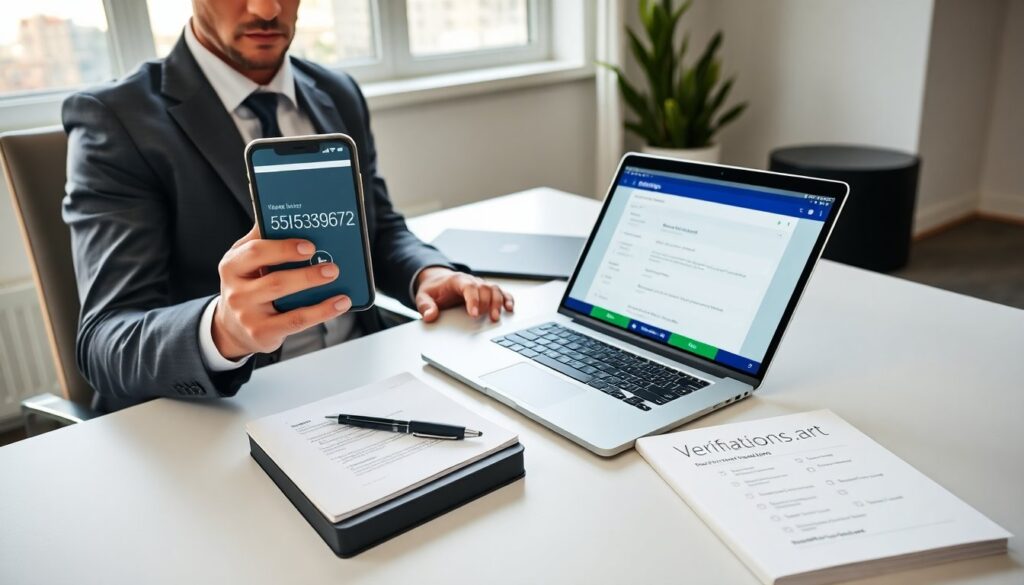
The reader should follow a short checklist when they see 3515369672. First, note the time and channel: call, voicemail, or text. Second, do not reply to suspicious messages. Third, run a fast reverse lookup with a trusted tool. Fourth, cross-check with recent transactions, subscriptions, and email notices. Fifth, search company websites for published contact numbers. Sixth, compare the message content with known fraud patterns: pressure to act, requests for codes, or payment links. Seventh, save copies of the message and call details for records. These steps help the reader verify the number quickly.
Carrier Lookups, CNAM, And Reverse Lookup Tools To Try First
The reader can use carrier lookups and CNAM to learn about 3515369672. A carrier lookup reveals the network that issued the number. CNAM shows the caller name the carrier attached. Reverse lookup services aggregate public records and user reports for 3515369672. The reader should use well-known services and avoid shady sites that require payment for basic details. The reader should compare results across two or three services. If results conflict, the reader should favor official carrier data and recent user reports. The reader should record each lookup result for later reporting if needed.
Community Reports, Social Media, And Spam-Tracking Sites To Check
The reader should check community and spam-tracking sites for mentions of 3515369672. Users often post call screenshots and short reports on forums. Social networks and dedicated sites list patterns and common scripts associated with numbers. The reader should scan site timestamps and note regional patterns. The reader should also search for the number plus keywords like “scam,” “robocall,” or “verification.” The reader should treat one-off posts with caution and weigh multiple reports. The reader should screenshot or save useful posts to support a complaint to the carrier or regulator.
Common Scams And Legitimate Uses Associated With Unknown Numbers
The reader can expect a few common scenarios for 3515369672. Scammers often spoof local numbers to increase answer rates. Scammers may ask for verification codes, payment, or personal data. Legitimate businesses use numbers to confirm orders, send appointment reminders, or deliver two-factor codes. Automated services may use rotating caller IDs to handle volume. Law enforcement or debt collectors may use official-sounding scripts and request call-backs to specific lines. The reader should check the message content and context. The reader should verify any request by calling a verified number from a company website, not by returning the suspicious call.
Safe Responses And Simple Scripts To Use If The Number Calls Or Texts
The reader should use short, safe replies when 3515369672 contacts them. If the call seems odd, the reader should not provide personal data. The reader can say, “I will call your official number back,” and then hang up. If the text asks for a code, the reader should not share it. If the message asks for payment, the reader should refuse and check account portals directly. The reader can save incoming texts and take a screenshot. The reader can use this brief script: “Who is this? I will verify with your company website before sharing information.” Use the script to pause the interaction and verify.
Blocking, Reporting, And Next Steps If 3515369672 Is Malicious Or Persistent
The reader should block 3515369672 if it proves malicious or persistent. The reader should report the number to their carrier and to national authorities that handle fraud. The reader should file a complaint with a consumer protection agency if the call involves impersonation, threats, or financial loss. The reader should forward scam texts to the carrier short code used in their country when applicable. The reader should change passwords and enable two-factor authentication if they shared credentials. The reader should monitor accounts and consider a credit freeze if financial data leaked. The reader should keep records of reports and follow up with the carrier.